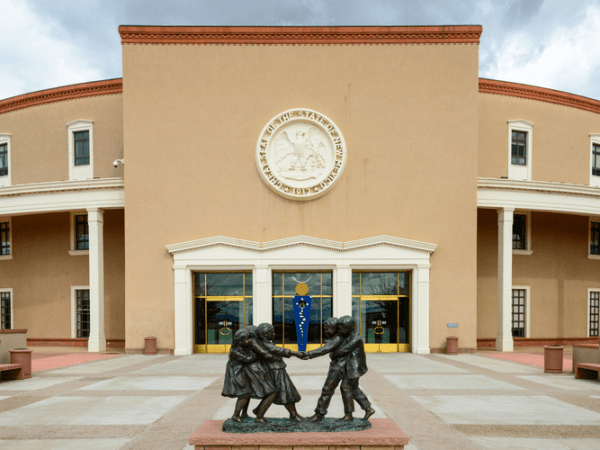
New Mexico Lawmakers Move to Regulate AI, Raising Questions About Innovation and Overreach
New Mexico lawmakers have proposed legislation to regulate artificial intelligence, aiming to enhance transparency and protect civil rights. Supporters argue it addresses potential biases and accountability issues, while critics warn it could hinder innovation and competitiveness. The bill faces scrutiny as stakeholders debate the balance between regulation and progress in AI technology.

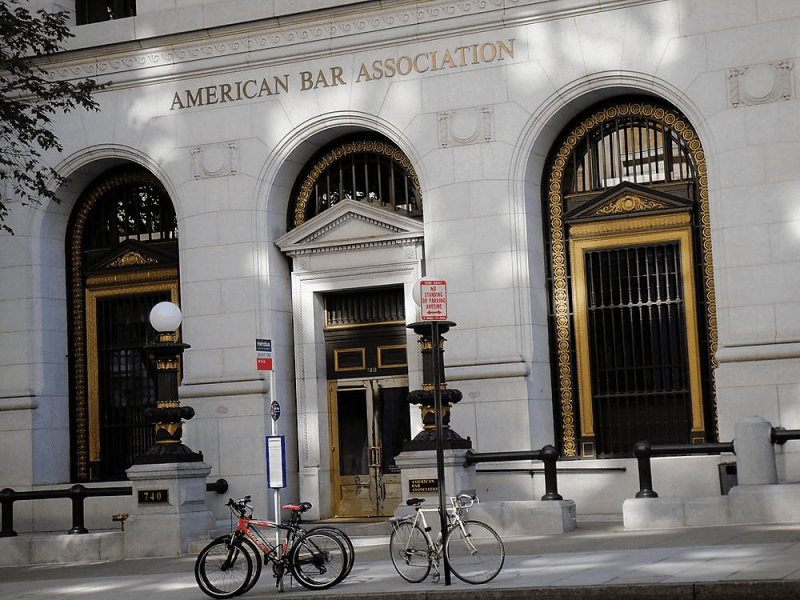
Texas Breaks with the ABA: Supreme Court Takes Control of Law School Accreditation
The Texas Supreme Court’s decision to end the 42-year reliance on the ABA for law school accreditation marks a significant shift in legal education oversight. Texas, now the first state to implement this change, hopes to enhance competition while maintaining educational standards and accessibility, impacting the national legal landscape.
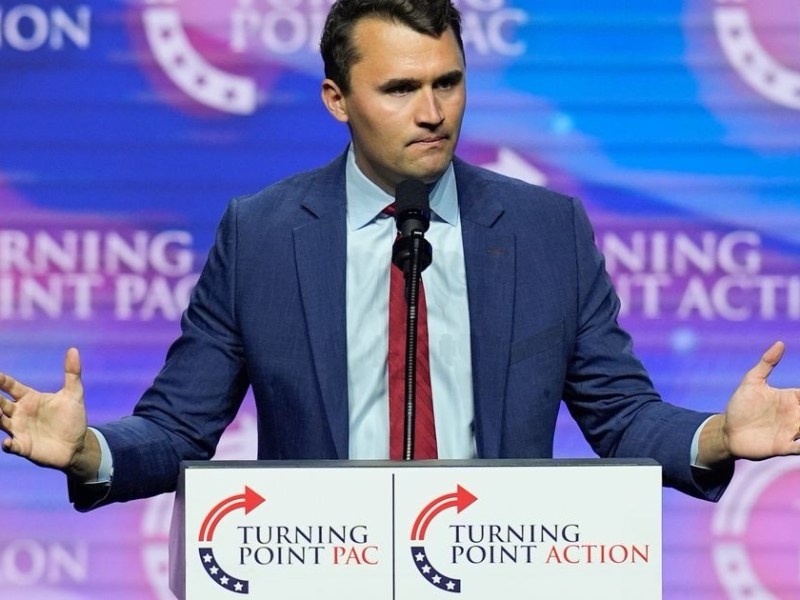
Policing Taste or Policing Thought? Texas, Teachers, and the Free Speech Line
A lawsuit against the Texas Education Agency over teacher discipline following Charlie Kirk’s assassination raises a difficult but necessary question for conservatives: where does condemning political violence end—and where does government overreach into protected speech begin?

AI-Generated Delivery Scams Hit Austin, Exposing New Risks in the Gig Economy
A DoorDash scam in Austin highlighted vulnerabilities in gig-economy platforms, using AI-generated images to falsely prove delivery. An order was marked as delivered without the food arriving, exposing weaknesses in account security and automation. While DoorDash responded promptly, the incident raises concerns about trust and fraud in an evolving technological landscape.
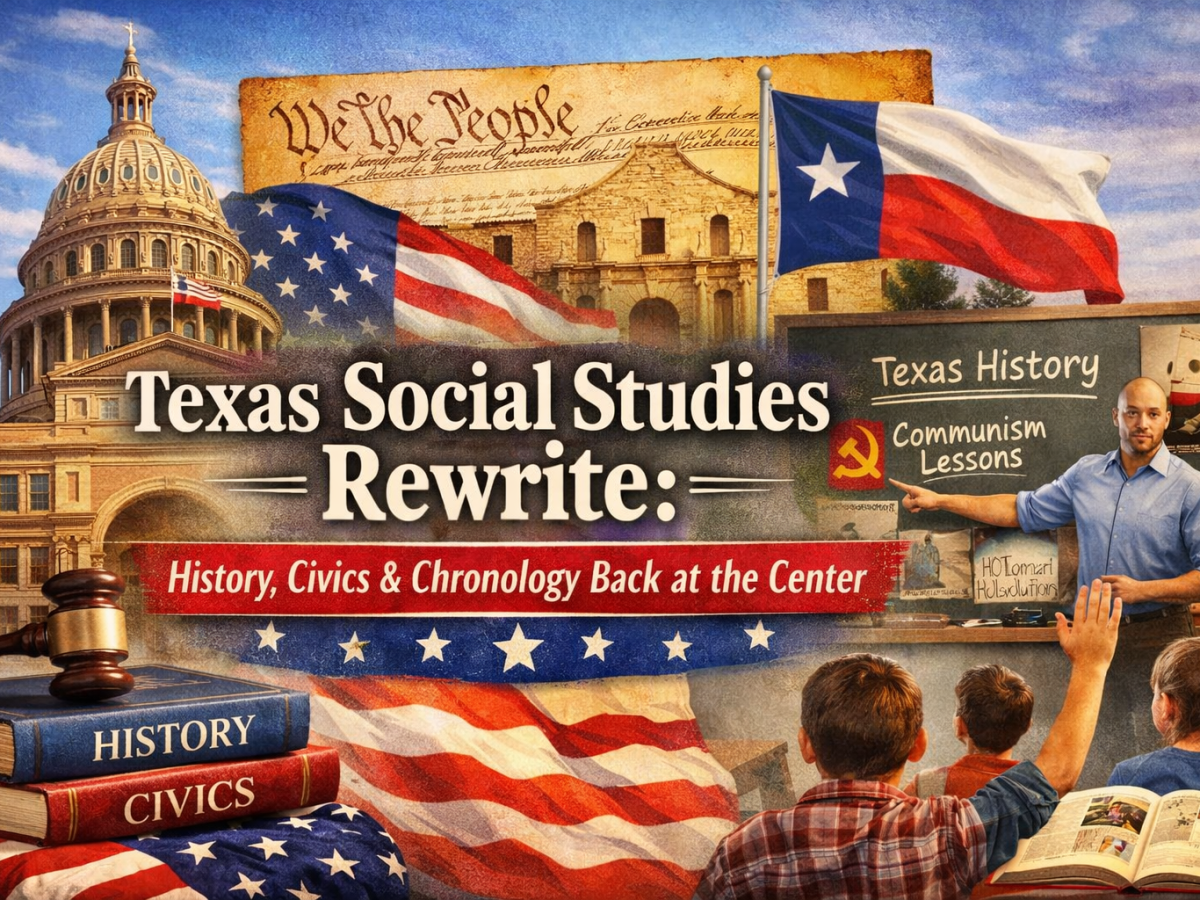
Texas Social Studies Rewrite Puts History, Civics, and Chronology Back at the Center
Texas is revising its social studies curriculum, known as TEKS, to emphasize a chronological approach to history and civics education amid declining civic literacy. Backed by the Texas State Board of Education, the changes include a focus on U.S. and Texas history while also addressing a mandate on teaching communist atrocities. Critics express concerns over…
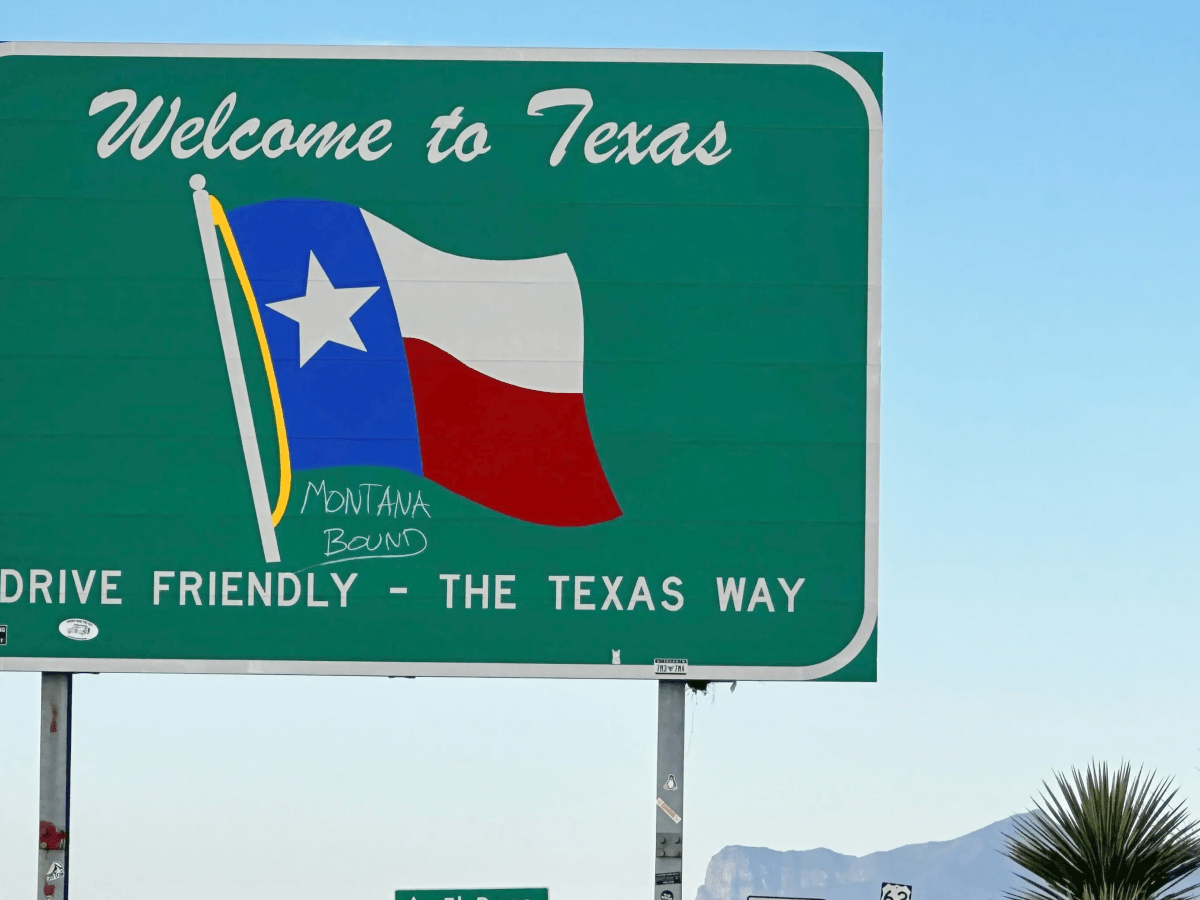
More Californians and Floridians Are Moving to Texas — and the Trend Still Favors the Lone Star State
Texas is experiencing a significant net inflow of residents, particularly from California and Florida, as highlighted by recent migration data. Factors such as no state income tax, job opportunities, and housing availability contribute to Texas’s appeal. Despite a cooling housing market, the state remains attractive for those seeking economic opportunities.

Texas Authorities Bust $14 Million Gift Card Fraud Ring, Highlighting New State Law
Authorities in Texas arrested three Latvian nationals for a $14 million gift card fraud scheme affecting retail stores across the state. The suspects cloned and drained gift card balances, often within minutes. This case highlights a growing trend in organized retail fraud, prompting Texas lawmakers to implement tougher laws on such crimes.

Top 5 Biggest Scandals and News Stories That Rocked Texas in 2025
In 2025, Texas faced significant challenges, including devastating floods, political turmoil, and controversies surrounding key figures. Despite these issues, conservative victories emerged in election integrity, higher education reforms, and redistricting efforts. The events highlighted Texas’ resilience as a conservative stronghold amid adversity, emphasizing accountability and ideological shifts in governance.

Rising Power Bills Test Texas Families as Growth Strains the Grid
Texas, long viewed as a land of opportunity, is grappling with soaring electricity costs that strain family budgets. With residential rates rising significantly, low-income households are disproportionately affected, often forced to choose between essentials. A pivotal challenge lies in balancing growth and affordability, as infrastructure demands escalate amid surging demand.

Louisiana’s Underwater Mortgage Crisis Signals Deeper Warning for the South
Louisiana has emerged as a crisis for underwater mortgages, with nearly 12% of homes seriously affected. Contributing factors include severe weather damaging properties and rising insurance costs due to regulatory issues. Although reforms are showing promise, the situation warns that housing stability relies on insurance viability and comprehensive market reforms beyond climate discussions.

Oklahoma Targets State Farm With RICO Allegations — A High-Stakes Test for Insurance, Oversight, and Market Stability
Oklahoma Attorney General Gentner Drummond has intervened in a dispute with State Farm, alleging systematic underpayment of hail damage claims under the “Hail Focus Initiative.” The case, citing racketeering laws, raises questions about state insurance regulation amidst soaring premiums and ongoing litigation. The outcome could significantly impact Oklahoma’s insurance market.
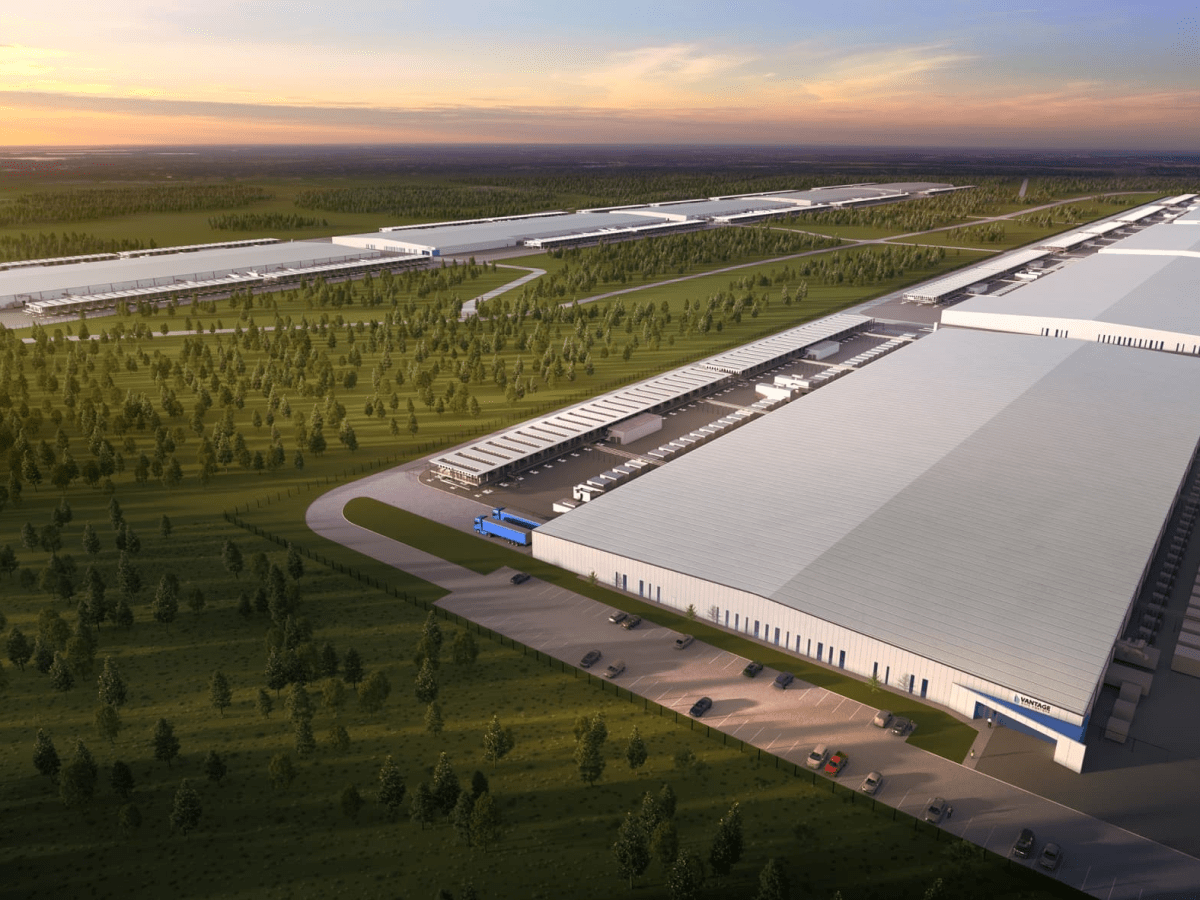
$2.1 Billion Data Center Planned for North Fort Worth Highlights Texas’ Pro-Growth Strategy—And the Trade-Offs That Come With It
A $2.1 billion hyperscale data center campus by ACS Group is planned in north Fort Worth, raising economic potential and scrutiny. While proponents cite job creation and tax revenue, critics question corporate incentives and job-to-investment ratios. The project reflects Texas’ competition for tech investments amidst broader national trends and local infrastructure discussions.

Abbott’s CAIR “Terror” Label Sparks New Legal Fight — and Rekindles Texas’ Long Debate Over Islamophobia
Governor Greg Abbott’s designation of the Council on American-Islamic Relations (CAIR) as a “terrorist organization” has sparked potential legal challenges in Texas. Critics warn this could violate First Amendment rights, create due process issues, and exacerbate Islamophobia. CAIR plans to contest the label, promising a contentious legal battle over state authority and civil rights.
 Texas Bay News