TXBayNews Staff
The death of a detainee at an immigration facility on a U.S. Army base in West Texas is drawing national scrutiny—and placing Texas at the center of a difficult but necessary debate about enforcement, accountability, and the rule of law.
Geraldo Lunas Campos, a 55-year-old Cuban national who had lived for decades in upstate New York, died on January 3 while in custody at Camp East Montana, a temporary immigration detention site located on Fort Bliss near El Paso. The facility is operated by U.S. Immigration and Customs Enforcement under the Department of Homeland Security.
What We Know So Far
According to ICE, Lunas Campos became disruptive while waiting for medication, refused orders to return to his dorm, and was placed in segregation. ICE says he later attempted suicide, violently resisted staff intervention, and stopped breathing during the struggle. Medical staff attempted resuscitation, but he was pronounced dead.
However, reporting by The Washington Post and other outlets has complicated that narrative. In a recorded phone call shared by Lunas Campos’ daughter, an employee of the El Paso County Medical Examiner’s Office reportedly told the family that the preliminary cause of death was asphyxia due to neck and chest compression—and that, pending toxicology results, the manner of death was likely to be classified as a homicide.
A fellow detainee has claimed he witnessed guards restraining and choking Lunas Campos as he cried out that he could not breathe. ICE disputes that account, saying officers were attempting to save his life.
As of January 16, no final autopsy or toxicology report has been released. ICE says the incident remains under investigation. Family members say the FBI has contacted them, though federal officials have not confirmed any criminal inquiry.
A Texas Facility Under the Microscope
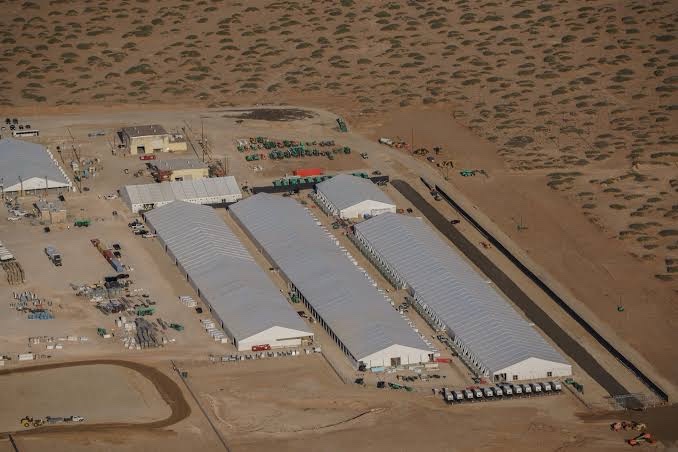
Camp East Montana is a large, tent-based detention site on Fort Bliss—federal military property in Texas. It was rapidly expanded to handle a surge in immigration enforcement cases, particularly involving individuals with outstanding removal orders.
This was reportedly the second death at the facility, adding to growing concern about conditions, medical access, and use-of-force protocols at temporary detention centers. Nationwide, ICE custody deaths spiked in early 2026, following a high number in 2025.
For Texans, the case raises uncomfortable but unavoidable questions: When immigration enforcement is stepped up—as many voters have demanded—are the systems in place to ensure detainee safety, transparency, and lawful conduct?
Law Enforcement, Not Lawlessness
A center-right approach does not require choosing between border enforcement and basic accountability. The rule of law depends on both.
Lunas Campos had a complicated history. He entered the United States legally in the 1990s but was ordered removed in 2005 after multiple criminal convictions, including a sex offense that led to registration requirements. His family disputes that conviction, but the removal order itself was lawful and longstanding.
At the same time, a criminal past does not nullify a person’s rights while in government custody. If the preliminary medical findings are confirmed, Texans should expect a full and transparent investigation—without political spin from either side.
Federal officers are empowered to use force when necessary. They are not empowered to use excessive force, conceal facts, or shortcut accountability.
Why This Matters in Texas
Texas has become the operational hub of federal immigration enforcement. Facilities like Camp East Montana exist here because Texas sits at the center of the border crisis—and because federal authorities rely on the state’s geography and infrastructure.
That reality carries responsibility. When something goes wrong on Texas soil—especially on a federal base—the public deserves clear answers, not dueling narratives.
If ICE’s account is correct, the investigation should confirm it. If it is not, accountability should follow swiftly and decisively.
Waiting for the Facts
As of now, key facts remain unresolved. The final autopsy and toxicology report will be critical. So will any findings from federal investigators.
Until then, Texans should resist the temptation to jump to conclusions—while insisting that transparency, due process, and professionalism are not optional, even in high-pressure immigration operations.
Strong borders and constitutional government are not opposing values. In Texas, they must go hand in hand.
 Texas Bay News
Leave a comment