By Michael Phillips | TXBayNews
A new investigation by the Texas Observer is reigniting debate in Texas over how far law enforcement should be allowed to go in using artificial intelligence and commercially sourced data—especially when those tools operate largely out of public view.
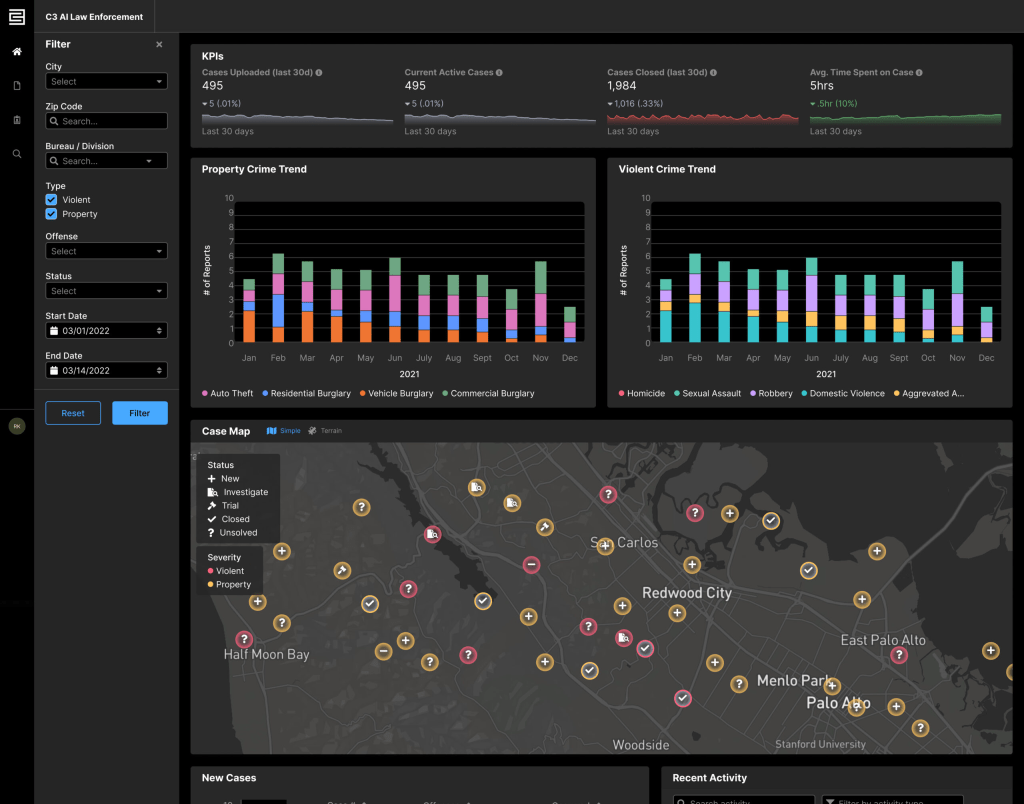
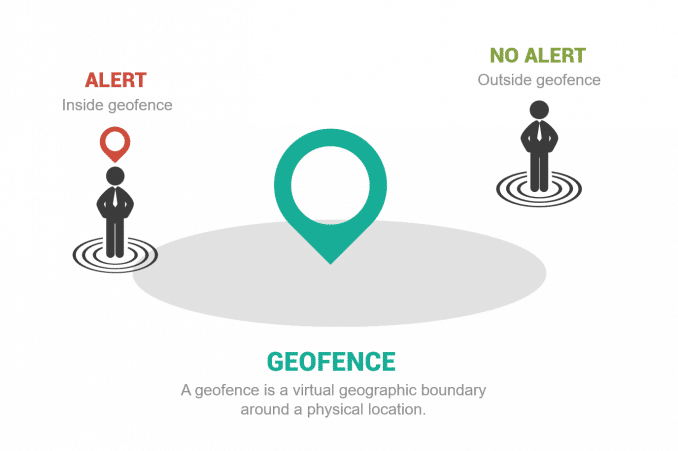
The report, published January 13 and written by Francesca D’Annunzio, examines Texas agencies’ growing investment in Tangles, an AI-powered surveillance platform now owned by Nebraska-based PenLink. The software’s most controversial feature, known as WebLoc, allows investigators to perform historical geofencing using commercial location data—without first obtaining a warrant.
Supporters argue the technology is a modern investigative tool that helps police “connect dots” in serious crimes like human smuggling. Critics warn it represents a costly and constitutionally questionable expansion of government surveillance, with few safeguards and even fewer measurable results.
A Tool Built for the Digital Age—With Old Questions About Oversight
Tangles aggregates data from the open, deep, and dark web, but WebLoc is what has drawn scrutiny. Rather than requesting cell-site location data directly from phone carriers, investigators purchase anonymized location data from brokers and analyze where devices have been over time.
Because the data does not come directly from telecom providers, agencies contend it falls outside traditional warrant requirements. Civil liberties advocates counter that this approach sidesteps the spirit—if not the letter—of Fourth Amendment protections recognized by the Supreme Court in recent years.
The Texas Observer highlights a 2021 human-smuggling investigation led by a rural sheriff’s office, where analysts used WebLoc to draw a virtual boundary hundreds of miles wide based on a discarded receipt. The method reportedly narrowed a list of devices that later appeared at a checkpoint, helping generate investigative leads.
Even the sheriff involved acknowledged the tool was not decisive in any prosecution.
Millions Spent, Limited Public Accounting
According to the investigation, Texas agencies have committed millions of taxpayer dollars to the platform:
- The Texas Department of Public Safety began with an emergency purchase in 2021 and expanded into a five-year contract worth more than $5 million.
- Nearly 20 sheriff’s offices and large departments such as Dallas and Houston reportedly have access.
- The spending surge coincided with border-security efforts under Greg Abbott’s Operation Lone Star initiative.
Yet agencies have offered few concrete examples of arrests or convictions where Tangles played a central role. Records requests are frequently denied on “operational security” grounds, and defendants are rarely informed when such tools are used during investigations.
From a center-right perspective, this raises a familiar concern: government expansion without clear metrics, transparency, or legislative guardrails.
Conservatives Split on Surveillance vs. Restraint
Public safety remains a core responsibility of government, and many Texans support giving law enforcement the tools needed to combat organized crime and border-related offenses. But limited government conservatives have long warned that surveillance powers, once normalized, rarely shrink—and often migrate beyond their original purpose.
The absence of statutory reporting requirements, legislative oversight, or sunset provisions for AI surveillance tools puts Texas at odds with its own small-government instincts. A proposed transparency bill failed in 2025, leaving policy largely to agency discretion and vendor contracts.
At the same time, reliance on opaque technology supplied by private companies raises questions about procurement discipline and accountability—especially when former federal officials rotate between government and vendors selling surveillance systems.
A Case for Sunlight, Not Handcuffs
The debate outlined in the Texas Observer’s reporting is not simply about privacy versus policing. It is about whether Texans are getting measurable value for millions in public spending—and whether elected lawmakers, not software vendors or task forces, are setting the rules.
A center-right approach does not require abandoning technology or tying investigators’ hands. It does require clear standards: when warrants are needed, how tools may be used, how long data is retained, and how success is measured.
If AI surveillance is truly essential, law enforcement should be able to make that case publicly. If not, Texans deserve to know why quietly expanding digital monitoring is the default.
In a state that prides itself on liberty, accountability should not be optional—especially when government is watching more than ever.

 Texas Bay News
Leave a comment