By Michael Phillips | TXBayNews
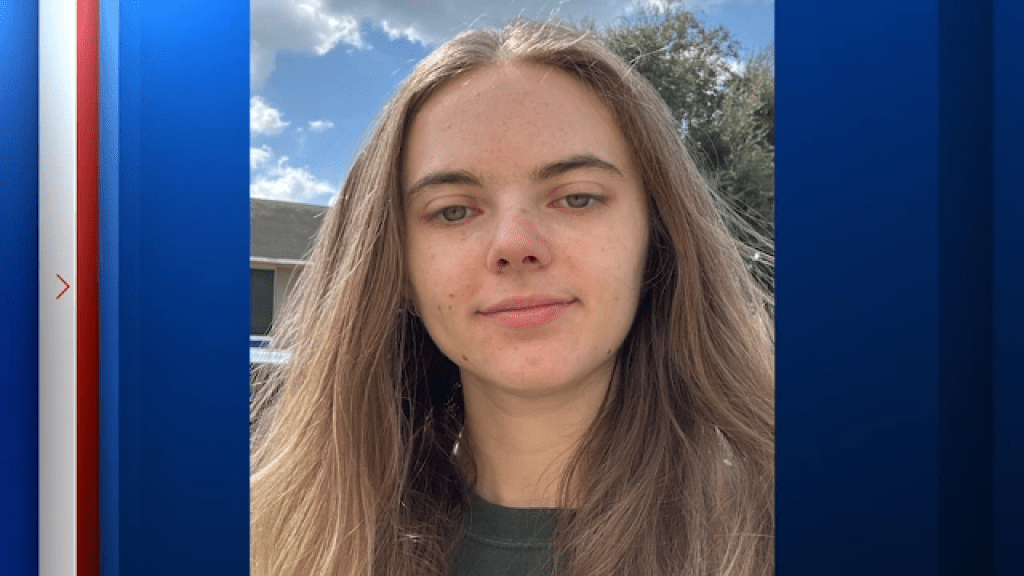
HOUSTON, Texas — The January 7, 2026, shooting that killed Caitlin Stup, a 25-year-old Sweetgreen employee riding a METRO bus to work, has become a grim flashpoint in Texas’ ongoing debate over violent crime, repeat offenders, and public safety.
Stup was an innocent bystander when gunfire erupted aboard a Houston METRO bus near Richmond Avenue in the Westchase area around 2:30 p.m. Police say the violence began when two young men—alleged rivals with prior criminal histories—encountered each other on the bus and began shooting. The bullets missed their intended targets but struck Stup in the head, killing her. A 16-year-old male passenger was also wounded and later released from the hospital.
The tragedy has ignited outrage across social media, particularly after a widely shared post by Lyndsey Fifield drew attention to the suspects’ prior records and questioned why the case had not broken into national headlines.
What Police Say Happened
According to Houston police and court records, Brayden Smith, 17, boarded the bus and spotted Patrick Scott, 18. Authorities believe at least one of the two opened fire; investigators say Smith fired the shots that killed Stup. Smith was already on juvenile probation for attempting aggravated robbery with a deadly weapon—an offense that legally barred him from possessing a firearm.
Scott, who had a pending aggravated robbery case and was out on a reduced bond, was initially charged with misdemeanor unlawful carrying of a weapon. Police statements have varied on whether Scott returned fire, though a teen passenger was wounded during the exchange.
Bus surveillance footage helped investigators identify both suspects quickly. School resource officers connected to Alief ISD recognized them, leading to arrests within roughly 24 to 48 hours.
Covered Locally, Absent Nationally
Contrary to claims that the incident received no coverage, multiple Houston outlets—including Houston Chronicle, KHOU 11, ABC13, FOX 26, and Click2Houston—reported on the shooting, the arrests, and Stup’s life. What has frustrated many Texans is that the case has not drawn sustained national attention despite its brutal facts.
From a center-right perspective, that disparity reinforces a familiar concern: crimes involving repeat offenders and systemic failures often fade quickly unless they fit a broader national narrative.
A Preventable Tragedy
Stup’s family has kept public comments brief. Her mother, Rachel, told local media her daughter was “taken way too soon,” remembering her love of photography, cooking, and cats. Stup’s employer, Sweetgreen, released a statement offering condolences and support to coworkers shaken by the loss.
For many Houstonians, the details raise hard questions. How does a teenager already convicted of a violent felony remain free—and armed—on public transit? Why was another violent suspect out on reduced bond? And what does this mean for everyday Texans who rely on buses to get to work?
Public Safety and Policy Questions
The shooting has intensified scrutiny of Harris County’s bond and probation practices, as well as safety on public transit. METRO officials called the killing “tragic and senseless,” while some bus drivers reported feeling on edge in the days that followed.
Center-right critics argue that this case exemplifies a “revolving-door” justice system—where violent offenders cycle through probation and pretrial release until an innocent life is lost. They point to the uneven consequences in this case—murder charges for one suspect, a misdemeanor for another—as further evidence of accountability gaps.
Remembering Caitlin, Demanding Better
At its core, the Houston bus shooting is not about politics or viral posts—it is about a young woman who never made it to work. Caitlin Stup did nothing wrong. She was simply in the wrong place at the wrong time, caught between individuals who, critics say, should never have been free to terrorize a public space.
As Texans mourn her loss, the case serves as a stark reminder that public safety policies are not abstract debates. They have real-world consequences measured in lives lost—and families forever changed.
 Texas Bay News
Leave a comment