By Michael Phillips | TXBayNews
The federal lawsuit filed this week by the Texas American Federation of Teachers against the Texas Education Agency and Commissioner Mike Morath raises a hard but necessary question for Texas conservatives: where does legitimate accountability end—and where does government overreach begin?
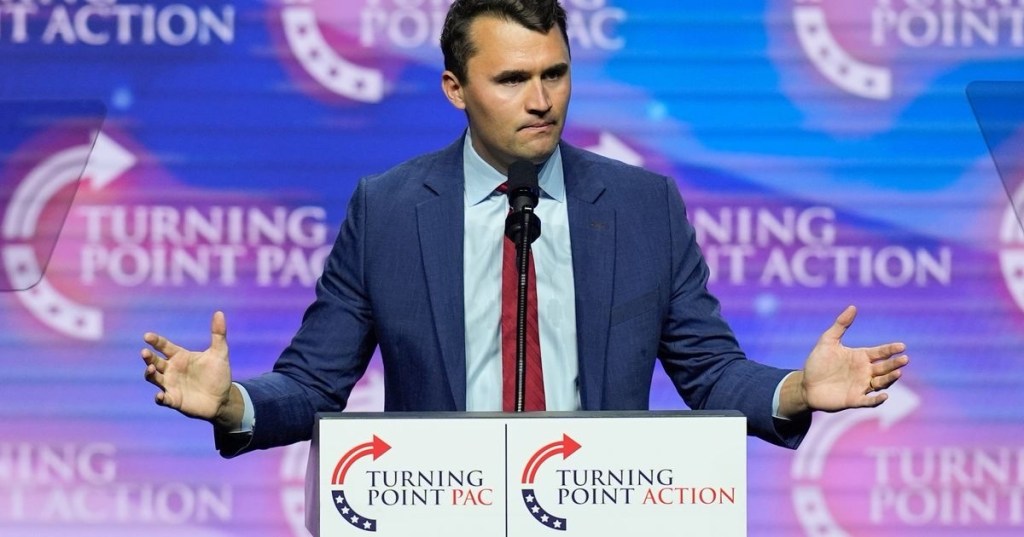
The case stems from the emotionally charged aftermath of the assassination of Charlie Kirk, founder of Turning Point USA, who was murdered in September while speaking at a university event in Utah. The killing shocked the nation and rightly reignited concerns about political violence spiraling out of control.
In Texas, that shock quickly turned into scrutiny. Hundreds of complaints were filed with the TEA after educators posted comments on personal social media accounts—some condemning Kirk’s politics, others mocking him, and a few crossing into language many found reprehensible. Commissioner Morath responded by urging school districts to report “reprehensible and inappropriate” posts so the state could assess whether teachers had violated the Educators’ Code of Ethics.
On its face, that response is understandable. Conservatives have long argued that teachers should not model or endorse violence, especially in a polarized climate. Governor Greg Abbott and other state leaders were correct to draw a bright moral line against any celebration of murder, regardless of the victim’s ideology.
But the lawsuit highlights a deeper problem: the line between condemning violence and policing opinion was never clearly drawn.
According to the filing, many teachers disciplined or investigated did not endorse violence at all. Instead, they criticized Kirk’s past rhetoric on race, immigration, or LGBTQ issues—speech that, however distasteful to some, falls squarely within the realm of political commentary. The union argues that the TEA’s guidance was vague, inconsistently enforced, and had a chilling effect, prompting educators across the state to delete posts or entire accounts out of fear.
That concern deserves serious consideration, especially from the right.
Conservatives have spent years warning about the dangers of vague standards and selective enforcement—whether in campus speech codes, social media moderation, or federal agency rulemaking. If a government agency cannot clearly define what is punishable beyond “reprehensible,” it risks drifting from discipline into viewpoint control.
The selective-enforcement argument is also uncomfortable. The lawsuit notes that the TEA issued no similar directive after the targeted shootings of Democratic Minnesota lawmakers in 2025. If the standard is condemning violence, it should apply universally—not only when the victim is a conservative figure.
To the agency’s credit, the TEA has reportedly dismissed most complaints and has not revoked any teaching licenses. Morath has stated that the agency distinguishes between poor taste and actual incitement, and that some complaints appeared to be personal vendettas. That restraint matters. But it also underscores the union’s point: if most cases lack merit, why create a statewide reporting dragnet in the first place?
Texas should not tolerate educators who cheer violence. Full stop. But Texas also should not empower state agencies to investigate lawful, off-campus political speech absent clear evidence of disruption or incitement. Supreme Court precedent—from Pickering v. Board of Education onward—exists for a reason: public employees do not surrender their First Amendment rights when they clock out.
For a state that prides itself on limited government, individual liberty, and free expression, this case is a test of consistency. Upholding conservative values means opposing both mob justice and bureaucratic overreach—even when the speech in question is ugly, offensive, or infuriating.
The courts will decide the legal merits. Texas conservatives should decide the principle now: government should punish violence, not thoughts.
 Texas Bay News
Leave a comment