By Michael Phillips | TXBayNews
Oklahoma Attorney General Gentner Drummond has stepped into a long-running legal fight between homeowners and State Farm, alleging the insurer engaged in an enterprise-wide scheme to underpay or deny valid hail and wind damage claims. The move — invoking Oklahoma’s Racketeer Influenced and Corrupt Organizations Act (ORICO) — raises serious questions not only about State Farm’s claims practices, but also about how far government should go in regulating a strained insurance market in one of the nation’s most weather-exposed states.
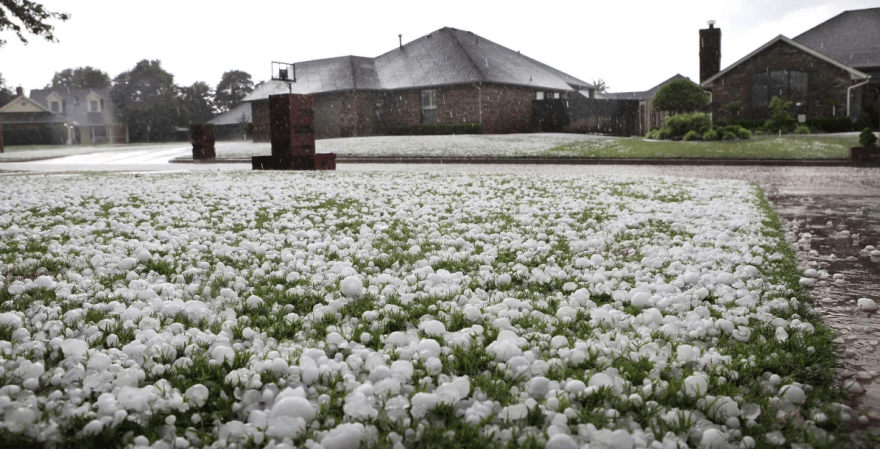
The allegations, detailed in a recent investigation by Oklahoma Watch and republished by The Journal Record, center on a program State Farm allegedly implemented around 2020, internally referred to as the “Hail Focus Initiative.” According to the Attorney General’s petition to intervene in Hursh v. State Farm, the program was designed to reduce payouts on roof damage claims by applying restrictive standards that allegedly conflicted with policy language promising replacement cost coverage.
If approved by Oklahoma County District Judge Amy Palumbo, Drummond’s intervention would give his office broad subpoena power to seek internal company records. State Farm is due to formally respond to the petition by December 22.
Serious Allegations — Still Unproven
The claims are significant. ORICO cases are rare, particularly against insurers, and the Attorney General’s filing frames the dispute as a “pattern of racketeering activity” rather than a collection of bad-faith claim disputes. The petition draws historical parallels to State Farm’s prior legal troubles in Illinois, where the company settled a federal RICO lawsuit in 2018 for $250 million related to auto repair practices, without admitting wrongdoing.
But it is important to note what this case is — and what it is not.
At this stage, these are allegations, not findings of fact. No court has ruled that State Farm engaged in racketeering, and the company has consistently denied any systemic misconduct. State Farm has long maintained that claims are handled individually, based on policy terms, engineering standards, and the distinction between functional damage (typically covered) and cosmetic or pre-existing wear (often excluded).
As of December 19, State Farm has not publicly addressed the specific “Hail Focus Initiative” claim, though a response is expected in the coming days.
Oklahoma’s Insurance Reality
What much of the current coverage underplays is the broader context facing Oklahoma’s homeowners insurance market.
Oklahoma is among the most hail-prone states in the country. Since 2019, homeowners insurance premiums in the state have reportedly risen by roughly 50%, far outpacing the national average. Insurers cite relentless severe weather — hail, tornadoes, straight-line winds — as well as rising construction costs and litigation expenses. In some recent years, carriers have paid out more in claims than they collected in premiums.
That reality has consequences. Some insurers have reduced their exposure or exited high-risk markets altogether, limiting consumer choice and pushing rates higher for those who remain insured. From a center-right perspective, profitability is not optional for insurers — it is what allows coverage to exist at all.
Strict claims scrutiny, insurers argue, is not racketeering but risk management.
Fraud, Litigation, and Competing Incentives
High-storm regions also attract bad actors. “Storm chaser” contractors, inflated repair estimates, and organized fraud rings are a documented problem in hail-belt states. Insurers contend that aggressive review processes — including the use of third-party engineering firms — are necessary to protect honest policyholders from bearing the cost of exaggerated or fraudulent claims.
At the same time, Oklahoma has seen more than 200 lawsuits filed against State Farm over hail damage, many reportedly handled by a single plaintiffs’ firm, with numerous cases settling confidentially. While settlements do not prove wrongdoing, they do raise questions about how litigation costs, attorney incentives, and regulatory pressure intersect with consumer protection.
Active Oversight — Not a Vacuum
The narrative of unchecked insurer misconduct also overlooks the role of the Oklahoma Insurance Department (OID). Commissioner Glen Mulready’s office has launched its own investigation into roofing claims practices, including deploying independent third-party engineers to verify adjusters’ decisions — a step the agency describes as unprecedented nationally.
That regulatory activity complicates the picture. It suggests the system is not operating without oversight, even as policymakers debate whether additional enforcement or structural reform is needed.
Politics and Timing
Drummond’s intervention comes as rising insurance costs become a growing political issue — and as he positions himself as a potential gubernatorial contender. Critics may question whether high-profile litigation against a major insurer represents consumer protection, political signaling, or both.
That does not invalidate the allegations. But it underscores why ORICO claims — with their sweeping implications — demand careful judicial scrutiny rather than rhetorical escalation.
A Case With Broader Implications
If the court allows the Attorney General to proceed and evidence substantiates the claims, the consequences for State Farm — and potentially the insurance industry — could be substantial. If the allegations fall short, however, the case may reinforce concerns that aggressive enforcement and litigation risk further destabilizing an already fragile market.
For Oklahoma homeowners, the stakes are high on both sides: fair claim handling on one hand, and the availability of affordable insurance on the other.
As the case unfolds and State Farm responds, the challenge for policymakers and courts alike will be separating legitimate consumer protection from populist overreach — and ensuring that accountability does not come at the cost of driving insurers, and coverage, out of the state.
TXBayNews will continue to follow developments in this case as new filings and court decisions emerge.
 Texas Bay News
Leave a comment