Why the Priscilla Villarreal case should worry every citizen who values limited government and free speech
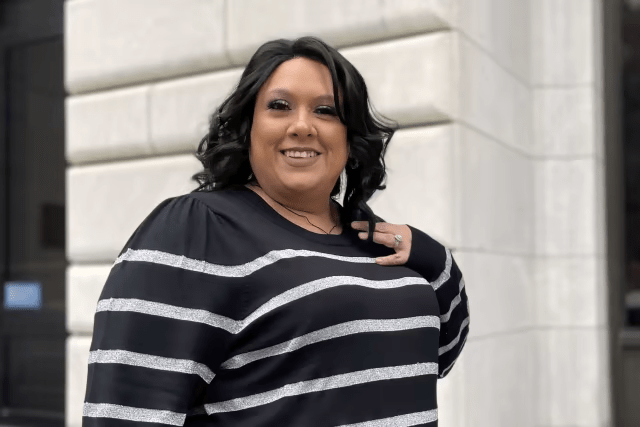
By Michael Phillips | TXBayNews
In Texas, we like to say we don’t punish people for speaking their minds. Yet for more than eight years, the case of Priscilla Villarreal, a Laredo-based citizen journalist, has tested whether that principle still holds when speech becomes inconvenient for those in power.
Villarreal, known online as Lagordiloca, is not a polished newsroom reporter. She livestreams, swears, challenges police narratives, and publishes scoops directly to Facebook. Her page, Lagordiloca News LaredoTx, has more than 200,000 followers—nearly the size of Laredo’s population. That reach made her influential. It also made her a target.
Arrested for Doing Journalism
In 2017, Villarreal published information about a Border Patrol agent’s suicide and a fatal car crash after confirming details with a police source—routine newsgathering by any definition. Instead of correcting her reporting or disputing the facts, Laredo officials chose a different route: they arrested her.
Prosecutors charged Villarreal under a rarely used Texas statute designed to prevent public corruption, not journalism. Their theory was extraordinary. By asking questions and publishing information, Villarreal had allegedly sought a “benefit”—Facebook engagement. In other words, officials argued that building an audience is criminal.
A judge later dismissed the charges as unconstitutionally vague. Villarreal had spent time in jail for asking questions, and no one else in Texas had ever been charged this way. That should have been the end of it. It wasn’t.
Qualified Immunity and the Problem of Power
Villarreal sued the city and officials for violating her First Amendment rights. A federal appeals panel initially agreed, stating plainly that jailing someone for asking a police officer a question is an obvious constitutional violation.
But on rehearing, the Fifth Circuit reversed itself, shielding officials with qualified immunity—a doctrine increasingly criticized by conservatives and libertarians alike for insulating government actors from accountability. Even after the U.S. Supreme Court sent the case back for reconsideration in light of a related ruling that made retaliatory arrest claims easier to prove, the Fifth Circuit again blocked Villarreal’s lawsuit.
Now the case is back before the Supreme Court, with Texas Attorney General Ken Paxton urging the justices not to intervene.
Why Conservatives Should Care
This case isn’t about whether Villarreal is likable, professional, or polite. The First Amendment does not contain a decorum clause. It does not require a press badge. It protects citizens from government retaliation for speech—especially speech critical of officials.
From a center-right perspective, the danger here is clear:
- Overcriminalization: As Justice Neil Gorsuch has warned, America’s legal code has grown so vast that almost anyone can be arrested for something. Villarreal’s case proves how easily obscure laws can be weaponized against critics.
- Selective enforcement: A statute meant to stop insider corruption was repurposed to silence a journalist. That is the opposite of equal justice under law.
- Unchecked government power: Qualified immunity, as applied here, tells officials they can arrest first and worry about the Constitution later.
Conservatives often argue—correctly—that a free press is essential to checking government abuse. That principle should not disappear when the journalist is independent, abrasive, or inconvenient.
A Chilling Precedent for Texas
If officials can arrest a citizen journalist for asking questions and publishing information, then no blogger, activist, or local watchdog is safe. Today it’s a Facebook livestreamer in Laredo. Tomorrow it could be a parent live-posting from a school board meeting or a rancher exposing local corruption.
The broad coalition supporting Villarreal—from libertarians to civil liberties groups to conservative legal scholars—should tell us something. This is not a partisan cause. It is a test of whether Texas still believes in limited government and robust free speech.
The Supreme Court now has a chance to clarify what should never have been in doubt: In America, and especially in Texas, you don’t go to jail for asking questions.
 Texas Bay News
Leave a comment